
Preview in:
Data Collection and Analysis in E-commerce
Modern technologies allow e-commerce companies to collect huge amounts of data from various sources. This data includes customer activity on social media, geolocation services, website browsing history and abandoned shopping carts. However, collecting data is just the beginning. Proper e-commerce data entry ensures that this information is accurately recorded and structured for effective analysis. The analysis of this data is crucial, as it allows companies to understand customer purchasing behavior and adapt marketing activities to current trends.
Once this data is properly organized, the next step is turning it into actionable insights that drive real business outcomes. Intelligent solutions like a behavioral product discovery platform for e-commerce, advanced recommendation engines, and AI-driven analytics dashboards analyze customer interactions and behavior patterns to predict what shoppers are most likely to buy and tailor product recommendations accordingly. Unlike static listings or manual merchandising, these technologies continuously learn from real user actions—enhancing personalization, boosting conversions, and creating a seamless shopping journey that keeps customers engaged.
Machine learning and Big Data
Collecting data itself, scraping from competitor websites, price comparison websites or market places is one thing, but organizing the data is another. In the process of the so-called "matching" we find similar auctions and offers, which can then be compared with each other, drawing appropriate conclusions regarding their price, quantity or other parameters of the purchasing process. Additionally, a number of things may not be identical, but comparable. For example, derivative products from another brand form a product category that should be considered as a whole. Machine learning tools allow you to understand the relationships between products and compare them so that the user can analyze a specific assortment. Considering this, many companies have begun investing in machine learning courses for their staff, often starting with free online courses to build foundational skills. This provides them with an understanding that can aid immensely in efficient data management and analysis.
Segmentation and Personalization of Offers
Data segmentation and offer personalization are the foundation of success in e-commerce. Thanks to Big Data, companies can precisely track user behavior on their websites. Analyzing clicks, adding products to the basket or completing the purchase allows you to create personalized offers that meet the individual needs of customers. Implementing data lake consulting services enables businesses to consolidate and process diverse customer data sources, making personalization strategies more accurate and scalable. This strategy not only increases sales, but also builds customer loyalty. Partnering with a leading ecommerce development company Elogic can provide the expertise needed to transform data insights into tailored solutions, ensuring your business stays ahead in the competitive e-commerce landscape. This strategy not only increases sales, but also builds customer loyalty.
Creating New Products
Data analysis allows e-commerce companies to create products that respond to current customer needs. Collecting and analyzing information about user preferences allows you to predict market trends and introduce dropshipping products that will gain customers' recognition even before they have a chance to identify them. This is a key element of gaining a competitive advantage in the dynamic e-commerce market.
Customer Service Optimization
Big Data also plays a key role in optimizing customer service. Analysis of data from social media, online forums, opinion forms and online chats allows companies to quickly identify customer problems and respond to them in real time. Thanks to this, it is possible to adapt the offer to the individual needs of users, which significantly affects the level of customer satisfaction and building their loyalty to the brand.
For retail brands, platforms such as the Voyado Agentic CX Suite turn unified customer data into agent-driven, real-time experiences—triggering personalized outreach, recommendations, and loyalty actions that proactively resolve issues and raise satisfaction.
Pricing Strategies
Data plays a key role in shaping e-commerce pricing strategies. Thanks to advanced algorithms and analytical tools, companies can monitor competitors' prices and adjust their offers to stay competitive in the market. Precise data analysis allows you to quickly respond to market changes and optimize your pricing policy, which translates into increased margins and profits.
Introduction to Price Monitoring
In the digital age, where competition is just around the corner, monitoring competitor prices becomes crucial for every entrepreneur. Dealavo, as an advanced tool, offers unique opportunities to track and analyze market prices, which allows companies to maintain competitiveness and optimize their pricing strategy.
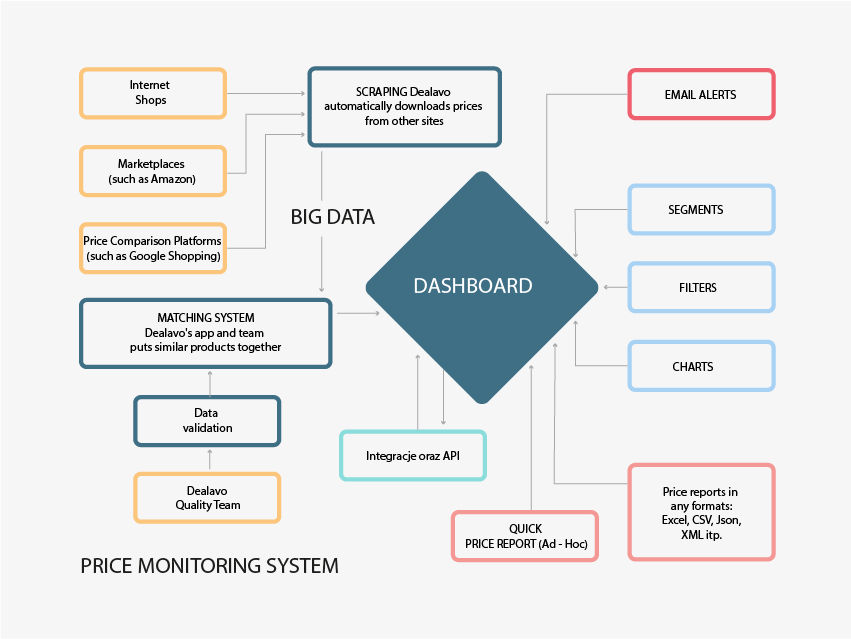 Pricing intelligence platform in Dealavo, source: www.dealavo.com
Why is Price Monitoring Important?
- Understanding the Market: Find out what prices are like in your industry.
- Price Optimization: Adjust prices in response to market changes and competitor behavior.
- Increase Profits: Smart pricing strategies can significantly increase profitability.
Dealavo - Your Price Monitoring Tool
Dealavo offers not only basic monitoring functions but also advanced repricing options. This enables dynamic price adjustments based on current market data and competition activities.
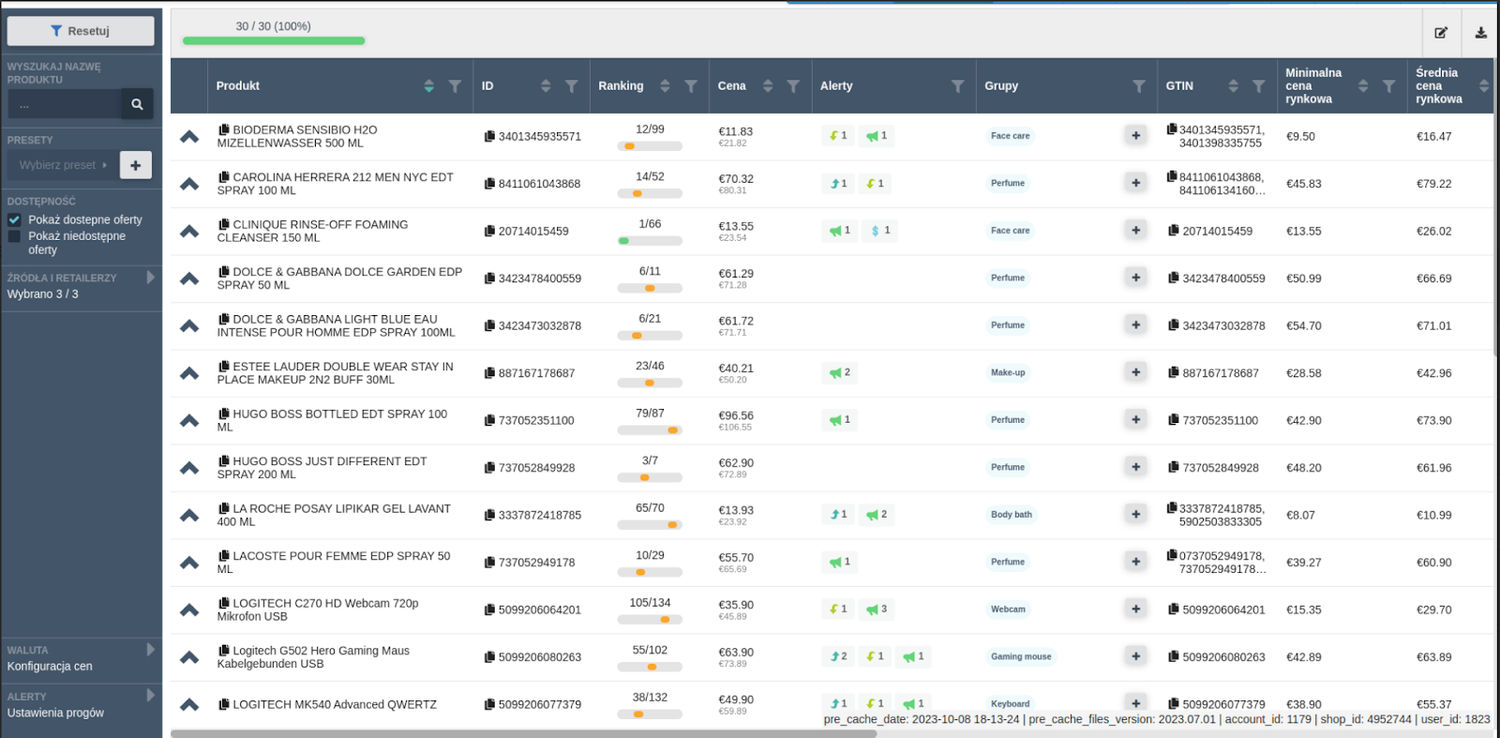 Dealavo - a program for monitoring prices of any platforms - both Marketplaces and individual online stores. Source: www.dealavo.com
Dealavo Key Features:
- Market and Competition Analysis: Collect and analyze price data in real time.
- Dynamic Repricing: Automatic price adjustment to changing market conditions.
- Easy Integration: Dealavo cooperates with popular e-commerce platforms.
- Price Alerts: Alert you about sudden price changes and price wars.
How to Use Dealavo Effectively?
- Select Products to Monitor: Determine which products require special attention.
- Set Pricing Rules: Define a pricing strategy tailored to your business.
- Analyze and Optimize: Regularly review collected data and adjust your strategy.
Dealavo pricing rules:
Dealavo offers a variety of pricing rules that allow for flexible price management:
- Pricing between two competitors: Automatically set prices between two selected competitors.
- Margin with amount/percentage mark-up: Ability to set a price with a minimum specified margin.
- Prices relative to the competition: Generate prices lower or higher than selected competitors.
- Price change by a specific amount/percentage: Adjust prices by a set amount or percentage over a set period of time.
- Cost-based pricing: Set prices on a cost-plus basis.
- Prices based on market position: Set prices relative to your competitors' market position.
- Prices with low stocks: Automatically reduce prices at end-of-series and sales events.
- Optimizing profits from AI: Use AI to optimize prices according to market data.
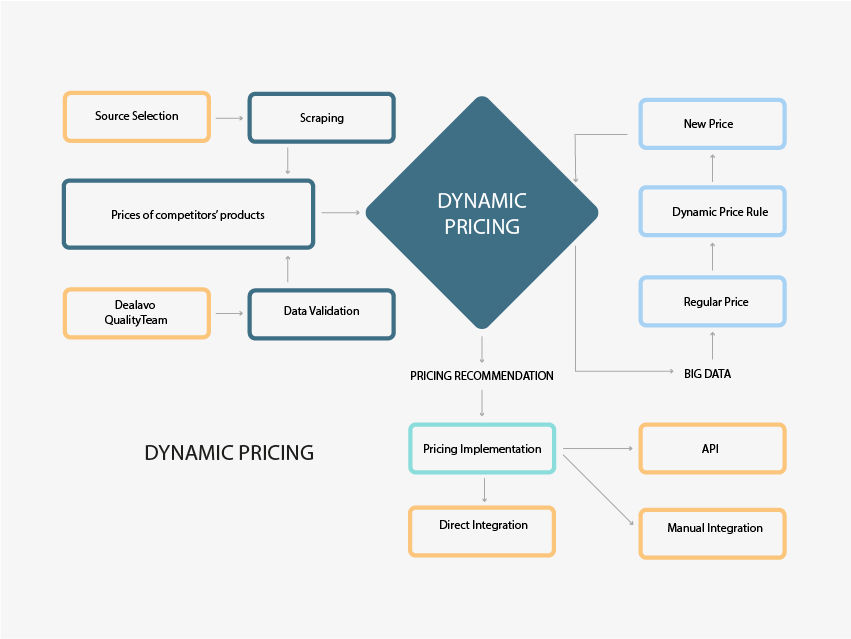
Dynamic Pricing and its function automatic price change with competitor price tracking available in Dealavo allows you to use automatic price repricing to adapt to the market situation, source: dealavo.com
Case Study
Dealavo is not just a price monitoring tool, but a comprehensive price management platform, providing entrepreneurs with an advantage on the market. Thanks to intelligent solutions and a flexible approach to pricing, Dealavo is the ideal partner for companies seeking to optimize their profits and maintain competitiveness.

Author
Guest Post
Marketing Specialist
Continue reading

News
Lenso.ai One-Time Payment: Reverse Image Search Without a Subscription
If you want to make unlocks on lenso.ai, but you don’t want to be tied to a subscription, here’s a solution you should consider: one-time payment. With one-time payments, you can purchase the product once, make unlocks and decide if you want to switch to a full plan later! This article explains how you can access the one-time payment and all the benefits it offers.

News
Using facial recognition and reverse image search for public security intelligence
Public security intelligence should implement and use only the best and most advanced tools that can help during the investigation process and provide support at different stages. How can facial recognition and reverse image search help?

News
How do Face Search Tools Work? Facial Recognition AI Models Explained.
Have you ever used a facial search tool and wondered how it works? In this article, we will explain the basics of facial recognition and tell you how face search websites build their own AI for face search engines.

News
Top 10 Reasons Why Lenso.ai Is the Best Face Search Tool Online
There are multiple facial search tools available on the internet. Most of them cost a lot, but do very little. Others provide low quality of results, show paywalls before the search even starts, or reel customers in by false advertising. Lenso.ai is the best facial search tool online, and here are some of the top reasons that prove it.

News
How Reverse Image Search Catches Stolen Before-and-After Photos in Home Service Marketing
A tree service in one state removes a storm-damaged oak, photographs the cleanup, and posts the before-and-after shots on Instagram. Eighteen months later, a company three states away is running the exact same photos as their own work on a Google Business Profile, cropped slightly and stamped with a different logo. Nobody at the original company notices, because nobody's looking. Nobody at the second company worries about it, because nobody's ever gotten caught.