Preview in:
How can AI find a person from a photo?
AI-powered reverse face search operates through a combination of machine learning, deep learning, and facial recognition algorithms. These advanced technologies allow systems to process and analyze facial features, match them with extensive index, and generate potential matches. The process generally consists of the following steps:
- Facial feature extraction: AI analyzes key facial landmarks, such as eyes, nose, and mouth, creating a unique digital signature.
- Index comparison: The extracted facial data is compared against a large image index, including all available online sources.
- Additional enhancements: Some AI tools use advanced filters, metadata analysis, and contextual information to improve search accuracy and filter out irrelevant results.
- Facial recognition & matching: The AI algorithm assesses potential matches by measuring similarities between the uploaded photo and stored images. It ranks the results based on the degree of similarity.
- Displaying results: The system provides a list of possible matches, often accompanied by URLs where the images appear online, allowing users to further investigate and verify identities.
AI Image Search with Facial Recognition
Find a person from a photo with best AI-powered reverse image search tool - lenso.ai
As we already know, if you have only a photo of the person you are looking for, there is a solution that can help you find them — a reverse face search tool. We will show you how lenso.ai performs face searches.
Simply upload an image to lenso.ai
.png)
If you're lucky, you’ll immediately find the person under the URL where the image was originally published.
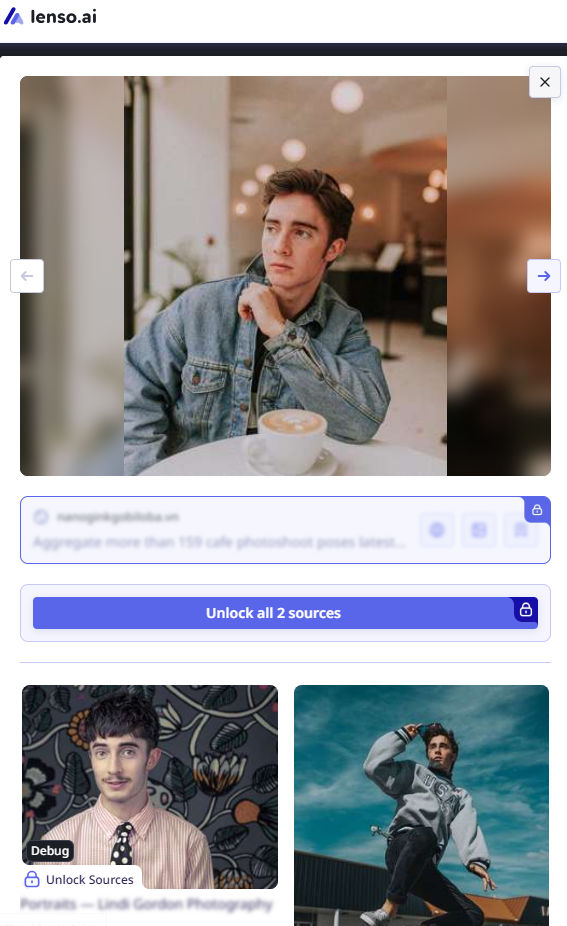
To verify whether it’s the right person, you can check multiple URLs or use additional features:
- Sort images by: newest/oldest, best/worst match, or random.
- Filter images by: specific keywords or domains.
If you don’t get enough results, we recommend creating an alert to receive email notifications with new image matches.
PRO tip: If you have multiple images, try searching with different ones and create alerts for each. This increases your chances of finding the best possible matches.
If you want to dive deeper, try Research Mode on lenso.ai to unlock up to 10,000 image search results and use advanced filters:
.png)
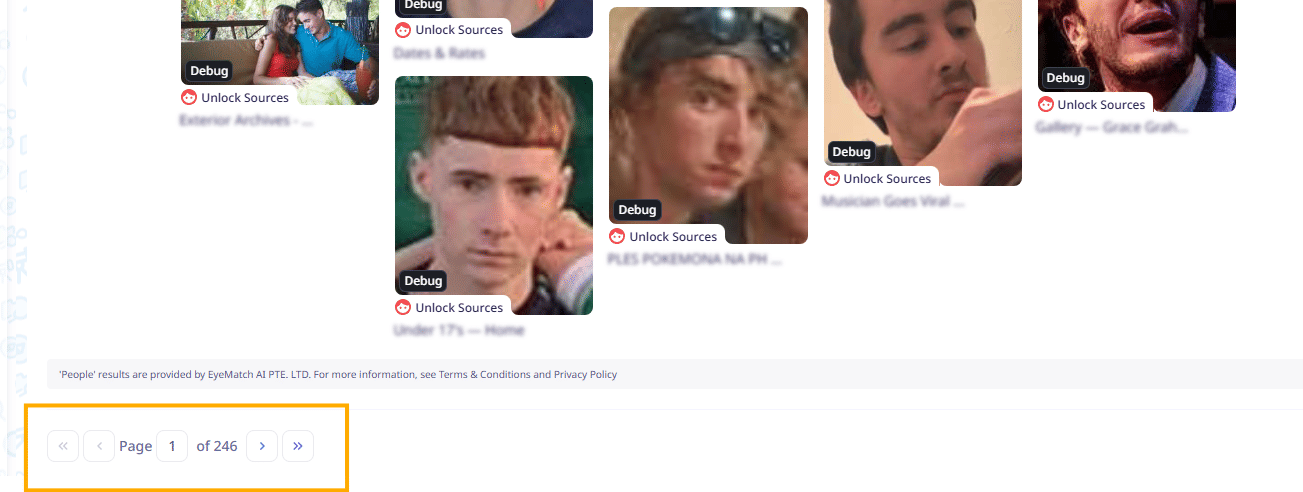
Best AI Face Search and Facial Recognition Engine – lenso.ai
Alternatives to lenso.ai
Above, we mentioned lenso.ai as the ultimate AI-powered tool to help you find a person from a photo. However, there are also some alternatives to lenso.ai that you should try:

Author
Julia Mykhailiuk
Marketing Specialist
Continue reading

Guides
How to find the perfect fall photoshoot location from a photo?
Fall is the perfect time for a new photoshoot, whether you want to create fresh content for your personal social media accounts or promote your product or brand with an authentic fall vibe. But first, you need to find the right place. Find out how to discover the perfect fall photoshoot location from a photo.

Guides
What to do in the first ten minutes after you find your own face in a reverse image search?
Finding your own face in a reverse image search is a strange feeling. Not usually because the result is sinister, most of the time it is a conference photo, an old profile picture, a team page from a job you left in 2019, but because you did not put it there and you did not know it was there.
Guides
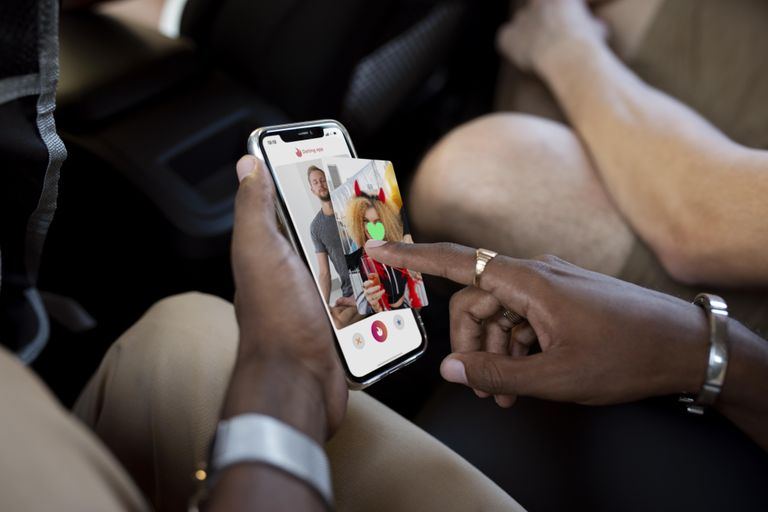
Is your match real? Reverse image search a dating profile
Dating apps are probably the go-to solution for finding a potential date, but unfortunately, they can also be one of the riskiest options. How can you make sure your match is real? Do a reverse image search and find more information using their dating profile picture.